Fingerling Hatchery Achieves Self-Sufficiency
July 2026The pilot hatchery has reached 80% egg maturity, putting the facility on track for full fingerling self-sufficiency before Hub 1 launch.
Read MoreNIGERIA × SINGAPORE
The first integrated Article 6.2 bilateral carbon credit ecosystem
One solution. Every continent. Built once, replicated everywhere — because the world's climate crisis doesn't wait for perfect conditions.
“This isn't a concept. It's a culmination — of a decade on the ground, every small solution stacked into one model that works, scales, and belongs to the communities it serves.”
— Monica Ojinnaka, CEO, CJ Best Investments
Our mission is to demonstrate that Africa's carbon potential can be unlocked responsibly, profitably, and permanently — without extractive models or imported assumptions. SAGA 6.2 is proof that world-class climate infrastructure can be built by the communities it serves.
The Singapore–Nigeria bilateral framework operates under Article 6.2 of the Paris Agreement, enabling the transfer of Internationally Transferred Mitigation Outcomes (ITMOs) between the two nations. Singapore provides the regulatory architecture and carbon-market access; Nigeria provides the land, the labour, and the living proof of impact.
Article 6.2 lets countries voluntarily cooperate to meet their Nationally Determined Contributions. Every credit issued through SAGA 6.2 is counted, verified, and transferred under this framework — no double counting, no greenwashing, only measurable climate action recognised at the highest level of international governance.
The Paris Agreement binds 196 parties to holding warming well below 2°C. SAGA 6.2 is our bilateral, transparent, and durable contribution to that global effort.
The Project
SAGA 6.2 is a first-of-its-kind integrated facility combining agrivoltaics, aquaculture, and multi-class carbon sequestration into one closed-loop system. Developed under Singapore-Nigeria bilateral cooperation, this is not a concept — it is already operating on the ground in Eastern Nigeria.
The project generates verified, ITMO-eligible carbon credits under Article 6.2 of the Paris Agreement, with 30% of all carbon revenues committed directly to the host community.
Technical Specifications: 24 grow-out tanks, hydrokinetic turbines, duckweed lagoons, biofilter vaults, 15,000L sump capacity. Full RAS recirculation with zero waste discharge.
Solar energy generation integrated with crop cultivation — maximizing land use while powering the facility and shading livestock below.
A self-sustaining fingerling hatchery and fish farm with a closed-loop recirculating aquaculture system (RAS), producing catfish on a 90-day cycle.
Carbon credits generated through biochar application (charbonvert) under Verra VM0044, with future expansion pathways in blue carbon and soil carbon.
The closed-loop system connects all three tiers: crop waste feeds fish, fish waste feeds biochar, biochar feeds crops. dMRV sensors monitor every node.
2014 — Monica completes the MS150 endurance ride, the first in a decade of personal commitments that would shape a cross-continental mission.
2016 — On-ground work begins in Uganda, establishing the founding team's record of African operations.
2016 — Operations expand into Liberia, deepening West African field experience.
2019 — Monica and John meet through football in Nigeria — the connection that would become CJ Best Investments and the SAGA 6.2 carbon facility.
2020 — A community football academy is launched, anchoring youth engagement at the grassroots level.
2023 — The Singapore entity is established, activating the SG–NG bilateral carbon corridor.
2025 — The pilot site in Akwa Ibom State becomes operational — compound, hatchery, and livestock live on the ground.
dMRV Tech — digital monitoring, reporting & verification
The Founder
Monica Ojinnaka is a Texas-born, Singapore-based strategist, climate finance architect, and the founder of the Charbon Vert Programme — a 40-hub carbon credit facility in Nigeria launching September 1, 2026.
Born in Texas and raised across 36 U.S. states, Monica's path to climate finance was anything but linear. A graduate of the Pennsylvania Culinary Institute, she won the school's business plan competition for a concept she called the Blue Dragonfly Inn — a vision that would eventually evolve into a model for integrating food systems, community wealth, and environmental restoration.
Her career spans seven countries and four continents. After fundraising for orphanages in Liberia and Uganda, Monica relocated to Nigeria in 2018 — a move that launched her football management career and laid the groundwork for everything that followed. She built her home in Nigeria and traveled back and forth for business, scouting players, negotiating with clubs, and building the community relationships that would later become SAGA 6.2. In December 2020, during COVID, she launched a community football academy in Nigeria — funded from a Houston studio apartment, proving that operations didn't stop when the world did. From there, her work expanded to Portugal, Germany, Türkiye, Cyprus, and Lebanon, managing players and building partnerships across borders.
In 2023, she established CJ Best Investments Pte. Ltd. in Singapore, creating the bilateral corridor that would become SAGA 6.2. She is also the CEO of M&M Consulting International (USA), TamCo International (Nigeria), and founder of BFF Trades and Elevated Retreats Asia.
CJ Best Investments is a registered FAO vendor, currently in active negotiation for a humanitarian supply contract to distribute fish-protein-enriched cereal through WFP and FAO relief channels.
Monica is a Phi Theta Kappa scholar and Presidential List honouree, with a scholarship invitation to complete her international business law degree at Cornell University. She is currently writing her first book, “What Is Love?” — a memoir about survival, healing, and the search for belonging across continents.
Founders
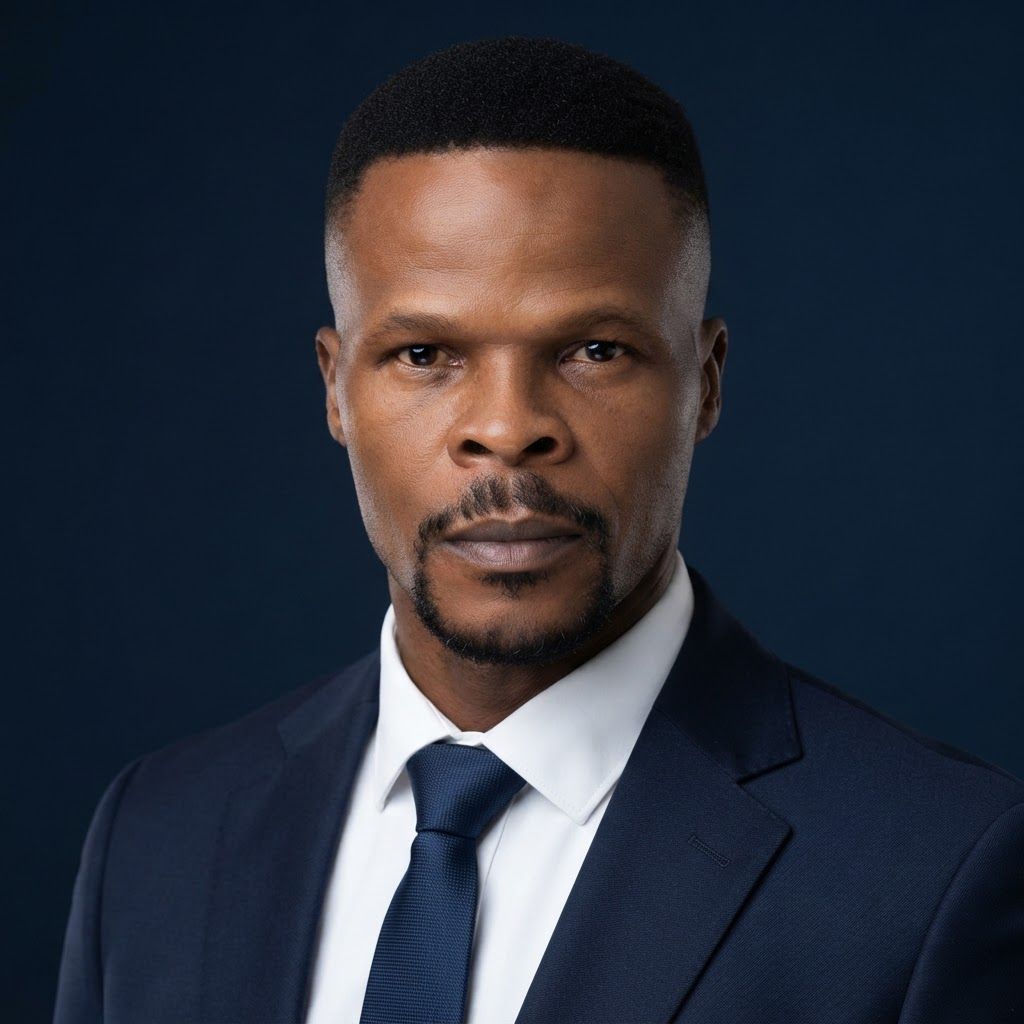
Co-Founder & COO, Nigeria Operations
CJ Best Investments Pte. Ltd. / Providence Trans-National Company Ltd
John Bassey Ogbonnaya is a Nigerian-born co-founder, former professional footballer, and operations leader whose career has spanned sport, engineering, and climate infrastructure.
As a youth, John played football across Nigeria, winning multiple awards and earning recognition as one of the country's promising young talents. His career took him abroad to play professionally in North and South Cyprus — an experience that gave him a dual perspective on discipline, systems, and what it takes to build something from nothing.
After retiring from professional football, John transitioned into mechanical engineering and logistics, specializing in automobiles and transportation vehicles. That practical, hands-on background became the foundation for everything that followed.
It was through football that John met Monica Ojinnaka in 2019 — a connection that would evolve from the pitch into a partnership. Together, they established CJ Best Investments Pte. Ltd. in Singapore, a joint venture built to bridge Singapore's regulatory and financial architecture with Nigeria's land, labor, and climate potential. As Co-Founder & COO of Nigerian operations, John carries the project on the ground.
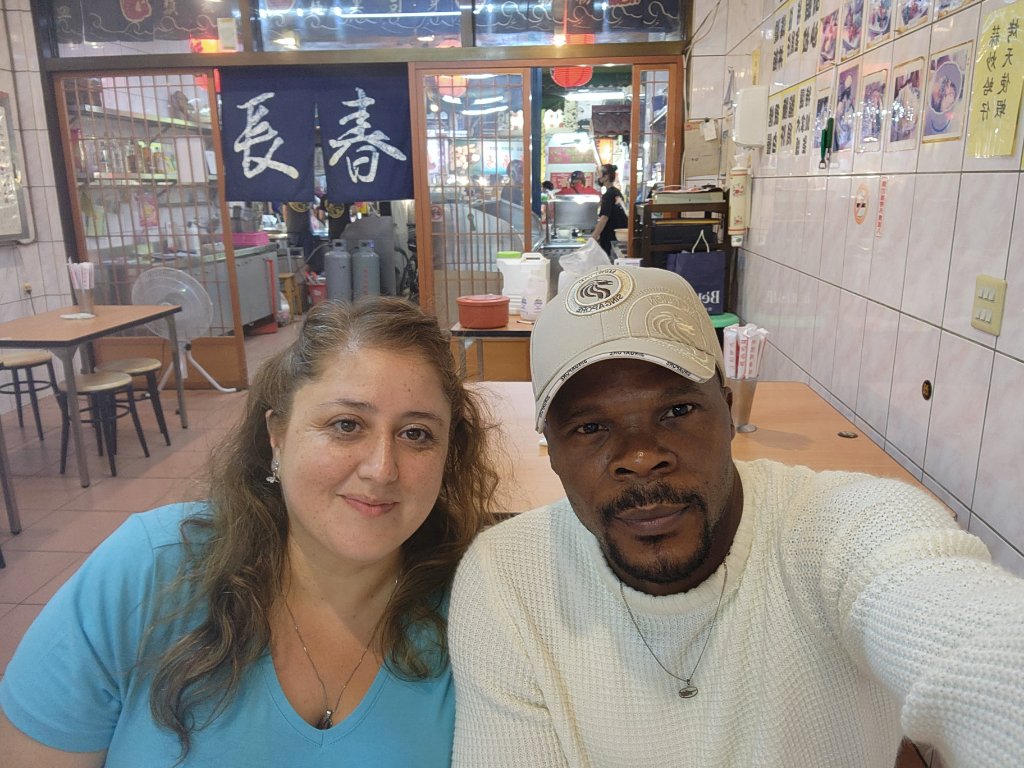
After founding the company, John and Monica traveled together across Southeast Asia — visiting auto mechanic parts suppliers and industrial components facilities in Taiwan, studying logistics infrastructure in Malaysia, meeting agricultural innovators in Vietnam, and observing how both Cyprus and Singapore approach systems-level development. John's years living and playing in Cyprus gave the trip an added dimension — he had already seen how first-world engineering discipline and third-world resourcefulness produce two very different, and equally necessary, kinds of innovation. That dual perspective became the blueprint for SAGA 6.2.
John has been on the ground since the inception of the pilot — overseeing construction, the recirculating aquaculture system, the agrivoltaic arrays, and the biochar kilns that convert agricultural waste into charbonvert clean cooking fuel. He also leads the community waste-exchange programme, where local farmers trade their agricultural waste for clean fuel and, in turn, generate verified carbon credits.
Community Benefit
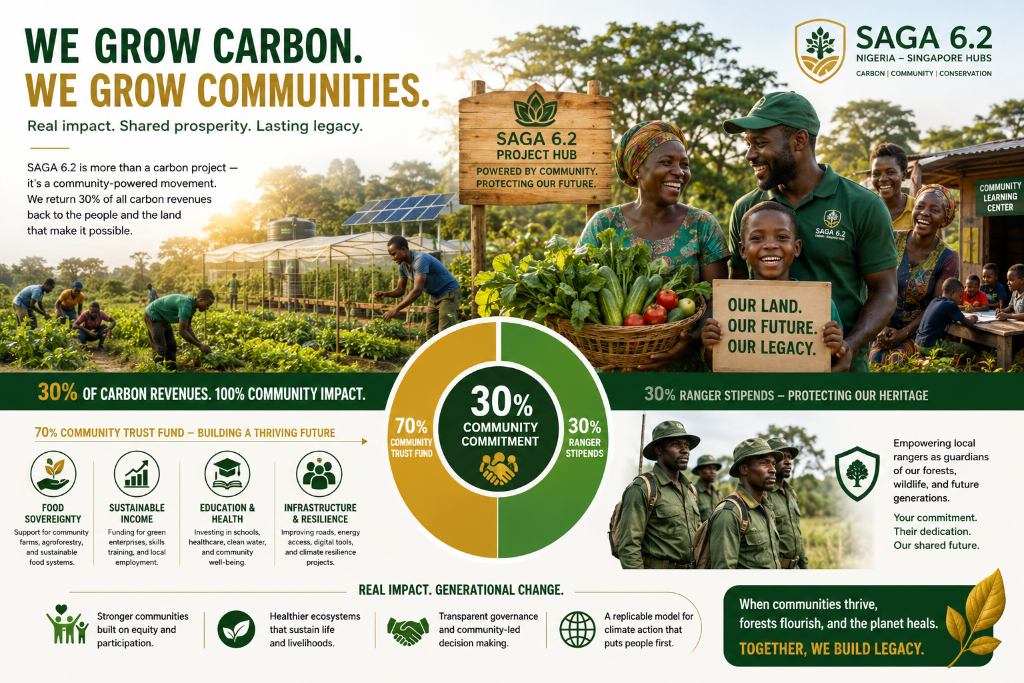
SAGA 6.2 commits 30% of all carbon revenues directly to the host community — supporting food sovereignty, sustainable income, education, health, and climate resilience. Food sovereignty, sustainable income, and environmental stewardship are not afterthoughts. They are the design.
Learn About Our Fishes & Loaves Food Sovereignty Program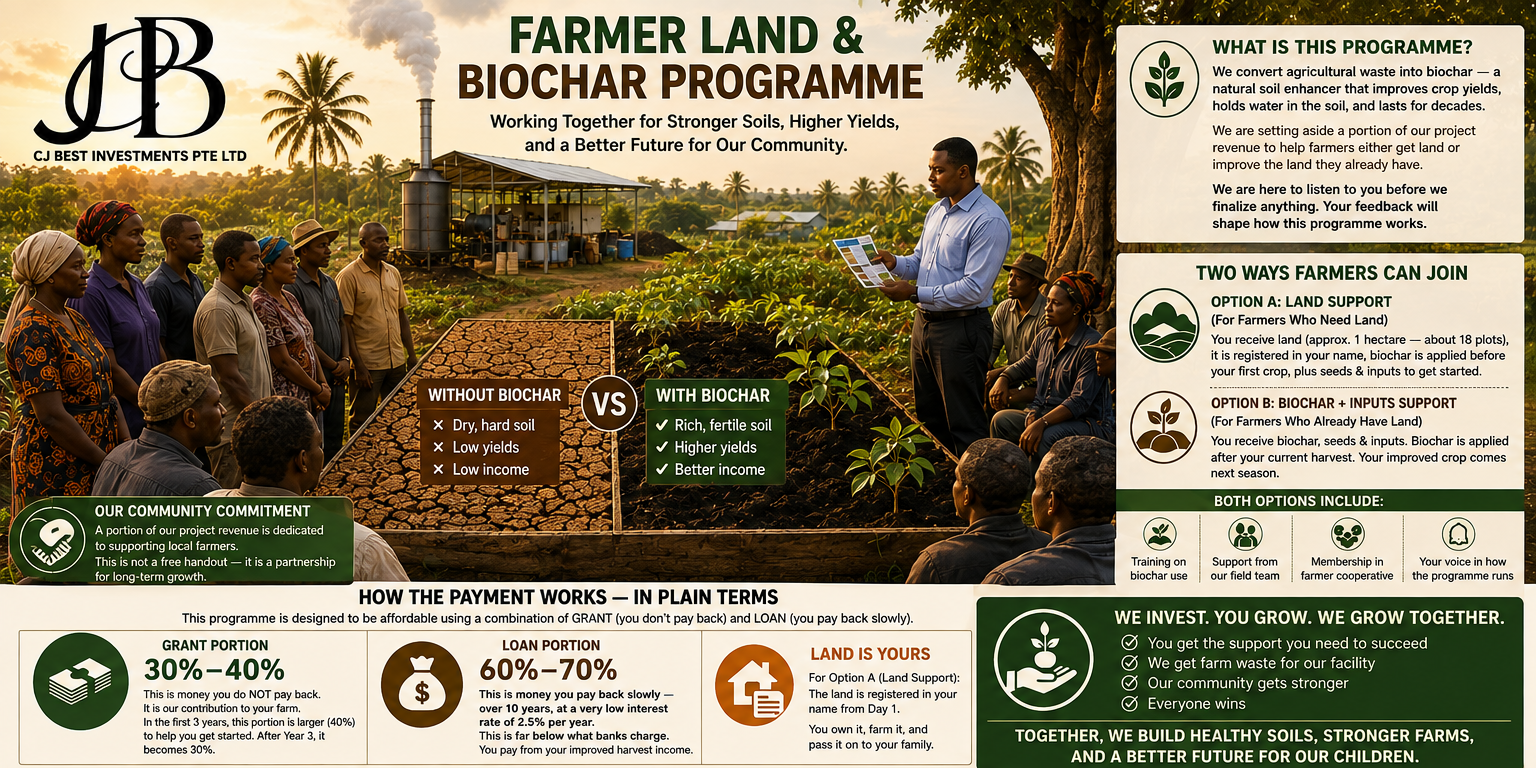
A portion of project revenue is set aside to help local farmers either access land or improve the land they already have. The programme uses biochar — a natural soil enhancer produced from agricultural waste at the facility — to improve crop yields, hold water in the soil, and build long-term soil health.
Option A — Land Support
For farmers who need land. Participants receive approximately 1 hectare registered in their name, with biochar applied before the first planting and seeds and inputs to get started.
Option B — Biochar & Inputs Support
For farmers who already have land. Participants receive biochar, seeds, and farming inputs. Biochar is applied after the current harvest so the improved crop comes in the next planting season.
Both options include
This programme is developed in consultation with local farming communities under a Free, Prior, and Informed Consent (FPIC) process. No farmer is required to join. All participation is voluntary.
DIGITAL EDUCATION
SAGA 6.2 hubs double as digital education centers — Starlink-connected, tablet-equipped, and powered by The Superagent Collective platform. Where the grid ends, education begins.
Explore the Education HubGallery
A curated preview of the build — from the first tanks in April 2025 to the live, operating facility today.
Community TrustSystem diagrams detailing the closed-loop design, aquaculture blueprint, and ESG framework.
Watch the Pilot
Footage from the Ground
Walkthroughs of the facility, the fish tanks in operation, and the team on site — published straight from the pilot in Akwa Ibom State.
Access Nigeria's first Article 6.2 carbon credit pipeline. Investor-grade documentation, bilateral legal framework, and verified project metrics available upon request.
Offset your Scope 1, 2 & 3 emissions with verified, multi-class credits from a first-of-its-kind facility aligned with Article 6.2 of the Paris Agreement.
The SG-NG bilateral corridor is open. ITMO-eligible credits, community benefit-sharing frameworks, and alignment with REDD+ and Verra standards.
Contact CJ Best Investments for investor briefs, carbon credit purchase agreements, or bilateral partnership opportunities. Email: contact@cjbestinvestments.com
investments@cjbestinvestments.com
The pilot hatchery has reached 80% egg maturity, putting the facility on track for full fingerling self-sufficiency before Hub 1 launch.
Read MoreAnnex C formalizes the 30% community benefit-sharing commitment, with a 70/30 split between trust fund and ranger stipends.
Read MoreAs Singapore expands its Article 6.2 bilateral network, the SG-NG corridor represents a new model for African carbon credit exports.
Read MoreDUE DILIGENCE
Full due diligence package — financial models, technical specifications, legal documentation, and risk register. Access requires a signed Non-Disclosure Agreement (NDA).
Request NDAPARTNERS




Partner announcements coming soon
Partner announcements coming soon
Schedule a consultation with CJ Best Investments to explore how SAGA 6.2 fits your sustainability, investment, or partnership goals.
CJ BEST INVESTMENTS
Strategic advisory. Cross-border development. Sustainability.
© 2026 Providence Trans-National Company Ltd. A subsidiary of CJ Best Investments Pte Ltd. Singapore.



